
Why Invest in High Quality Designer Basics: 2026 Guide
Table of Contents
- The Real Cost of Cheap Basics: What Fast Fashion Hides
- Cost Per Wear Calculation: The Math That Changes Everything
- Fabric Durability and Garment Construction: Why Designer Basics Last Longer
- How to Spot Authentic Designer Apparel Before You Buy
- Capsule Wardrobe Essentials: Building Blocks That Work Together
- Resale Value and the Lifecycle of Designer Basics
- Why Investing in High Quality Designer Basics Saves Money Over Time
- Frequently Asked Questions
Last Updated: September 25, 2026
The Real Cost of Cheap Basics: What Fast Fashion Hides
The sticker price on a budget t-shirt is the cheapest thing about it. Why invest in high quality designer basics? Because the true cost of cheap clothing shows up later: in pilling after five washes, in seams that twist, in the replacement you buy three times a year.
Fast fashion hides that math behind low upfront prices. The Federal Trade Commission's guidance on textile labeling requires brands to disclose fiber content, but it says nothing about how long a garment will actually hold up.
Cost Per Wear Calculation: The Math That Changes Everything
Cost per wear is the purchase price divided by the number of times you actually wear the item. It is the most useful number in wardrobe economics, and almost nobody calculates it before buying.
How to Run the Numbers on Any Garment
- Write down the purchase price
- Estimate wears per month (be honest, not optimistic)
- Multiply by expected months of usable life
- Divide price by total wears
| Garment | Price | Est. Wears | Cost Per Wear |
|---|---|---|---|
| Fast-fashion tee | $12 | 8 | $1.50 |
| Designer tee | $45.99 | 100 | $0.46 |
| Fast-fashion polo | $25 | 15 | $1.67 |
| Designer polo | $58.99 | 120 | $0.49 |
The gap compounds across a wardrobe: ten cheap basics replaced twice a year cost more than five designer basics that last three years.
Fabric Durability and Garment Construction: Why Designer Basics Last Longer
Fabric durability is not a dressing-room feeling. It is the predictable result of three measurable inputs: fiber staple length, yarn construction, and weave or knit density. Designer basics cost more because they spend more on all three, and you can verify each without a lab.
Fiber Staple Length: The Root of Pilling and Fading
Cotton fibers are measured in staple length, the average length of an individual fiber. Longer staples can be spun into finer, stronger yarns with fewer exposed fiber ends. Those exposed ends are what tangle into pills and what break down into the fuzzy surface you see on a cheap tee after a month.
GSM: The Number Most Shoppers Never Check
GSM stands for grams per square meter, the fastest way to compare two garments made from the same fiber. A lightweight fast-fashion tee often lands around 120 to 140 GSM; a designer basic built to hold its shape typically runs 180 to 220 GSM for a t-shirt, and heavier still for sweatshirts and outer layers.
Weave and Knit Density: Why Cheap Knits Stretch Out
Woven fabrics like poplin and oxford cloth are rated by thread count and yarn size; higher thread counts with finer yarns produce a tighter, smoother surface that resists abrasion. Knits are rated by gauge, the number of needles per inch on the knitting machine, and a finer gauge produces a denser, more stable knit.
Construction Signals You Can Check in Ten Seconds
- Side seams: Look for a seam that is reinforced or taped, not a single overlock stitch that can unravel.
- Stitch density: Count stitches per inch along a hem. Denser stitching costs more machine time and resists blowouts.
- Pattern matching: On striped or plaid garments, the pattern should line up across the seam. Misalignment signals a factory cutting for speed, not precision.
- Buttons and buttonholes: Cross-stitched buttons and cleanly finished buttonholes survive repeated use. A single-thread button is a repair waiting to happen.
- Ribbing at cuffs and collars: Heavier ribbing holds shape. Thin ribbing stretches out within a season.
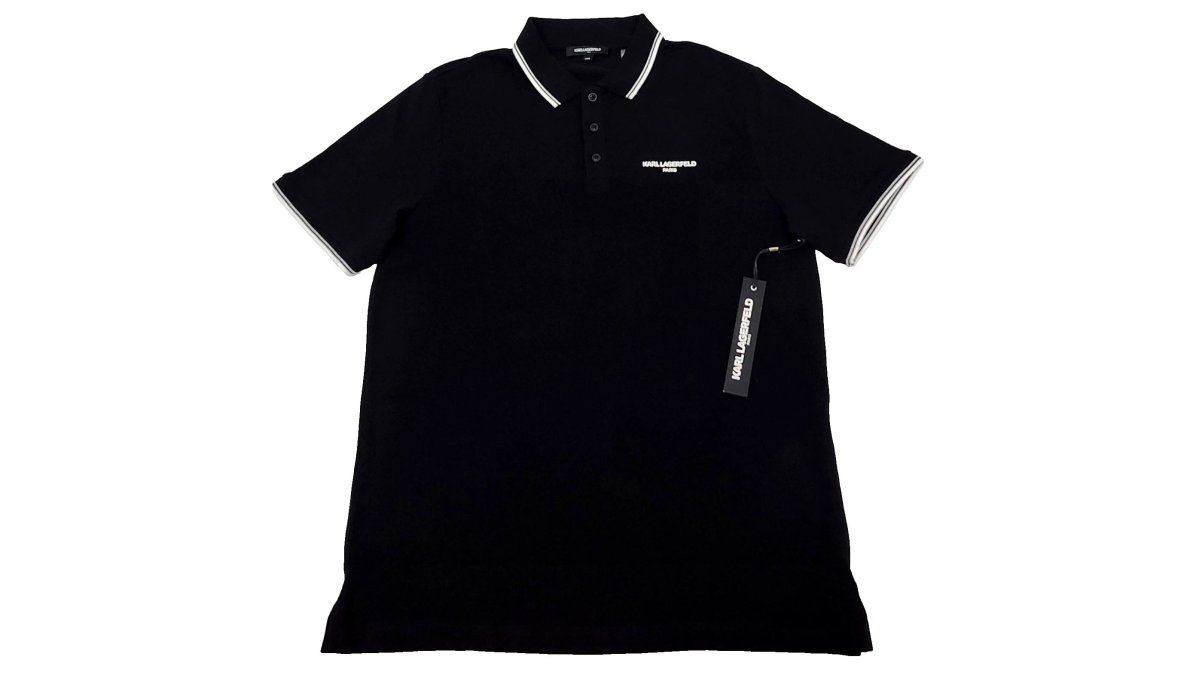
Natural Fibers vs. Synthetic Blends: What to Look For
Natural fibers like cotton, wool, and linen breathe better and age more gracefully than polyester blends. Check the label: a high cotton percentage with a small elastane addition for stretch is a good sign, while a mostly polyester garment at a designer price is a red flag.

How to Spot Authentic Designer Apparel Before You Buy
Authenticating designer apparel means checking three things: tags, stitching, and hardware. Counterfeits usually fail at least one, because replicating all three at scale is expensive.
Tags, Stitching, and Hardware: The Three-Point Check
This is where a curated retailer earns trust. LFC DESIGNS ONE ships brand-new items complete with their original tags.
Capsule Wardrobe Essentials: Building Blocks That Work Together
Capsule wardrobe essentials are the small set of pieces that combine into the most outfits with the least inventory. The goal is not fewer clothes for its own sake, but higher versatility per garment.
Karl Lagerfeld Men's T-shirt Size →
A functional capsule usually includes:
- Two neutral t-shirts that fit well
- One structured polo for smart-casual settings
- One pair of quality sneakers
- One layering piece in a solid color
Resale Value and the Lifecycle of Designer Basics
Resale value is the hidden asset in designer basics. A cheap basic has a resale value of zero the day you buy it, while a well-cared-for designer basic from a recognized brand can recover a meaningful share of its purchase price years later, which changes the true cost of ownership.
How the Secondary Market Actually Prices Basics
Resale platforms like Poshmark, Depop, The RealReal, and eBay price used garments on a handful of signals:
- Brand recognition: Established labels with steady demand hold value better than niche or discontinued lines.
- Condition: Items described as "excellent" or "like new" recover far more than items with visible wear, fading, or pilling.
- Completeness: Original tags, dust bags, and packaging raise the ceiling. Missing tags lower it.
- Size and color: Core sizes and neutral colors sell fastest. Trend colors and unusual sizes sit longer and sell lower.
- Seasonality: List knits and outerwear in fall, tees and light layers in spring.
The Adjusted Cost-Per-Wear Formula
Adjusted cost per wear = (purchase price − resale price) ÷ total wears
Care Practices That Protect Resale Value
Resale value is not fixed at purchase. It is a function of how you treat the garment.
- Wash knits inside out in cold water to reduce surface abrasion and color loss.
- Air dry instead of tumble drying. Heat is the fastest way to shrink cotton and degrade elastane.
- Store folded, not hung, to avoid shoulder stretch on knits.
- Use a fabric shaver sparingly and only on pills, never on the base fabric.
- Keep original tags and packaging if you think you may resell.
The Lifecycle Audit
A seasonal wardrobe audit keeps the lifecycle honest: anything unworn for a full year gets restyled, donated, or listed. Listing early, while the item is still in strong condition, recovers more than waiting until it has faded.
Why This Matters for the Buy Decision
If you keep a garment for a decade, resale value is irrelevant. If you rotate your wardrobe every few years, it is the difference between a designer basic being expensive and being cheap. Either way, the number belongs in the calculation, not the fine print.
Why Investing in High Quality Designer Basics Saves Money Over Time
The savings from designer basics come from three places: fewer replacements, better cost per wear, and retained resale value. Add them up and the premium price is often the cheaper path.
Frequently Asked Questions
Does investing in designer basics actually save money over time?
It can, depending on how often you wear the piece. A $45.99 Karl Lagerfeld t-shirt worn 50 times costs about $0.92 per wear. A $15 fast-fashion shirt that fades after 10 washes costs $1.50 per wear. Add replacement costs and the designer basic usually wins. The cost per wear calculation is the clearest way to see whether a higher upfront price pays off for your wardrobe.
What designer items are worth buying for long-term wear?
Start with pieces you wear weekly: plain t-shirts, polo shirts, and neutral-colored tops. These get the most use, so fabric durability and garment construction matter most. A well-made polo in a solid color works across casual and smart settings. Look for natural fibers, clean stitching, and reinforced seams. Karl Lagerfeld men's polos and t-shirts are solid examples of elevated basics that hold up and stay in rotation.
How do you distinguish high-quality designer fabrics from fast fashion?
Check the label first: cotton, wool, silk, and linen signal natural fibers that breathe and age well. Synthetic-heavy blends pill and lose shape faster. Then feel the fabric weight. Designer basics tend to have denser weaves and cleaner finishes. Check the seams too. Fast fashion often has loose threads and single-stitched hems, while quality pieces use double stitching and consistent tension throughout the garment.
What are the essential designer basics every wardrobe needs?
A capsule wardrobe essentials list usually includes: two to three solid-color t-shirts, one or two polo shirts in neutral tones, a well-fitted pair of dark denim or tailored trousers, and one structured jacket. Add a classic white button-down and a versatile pair of sneakers. These pieces mix across most settings. Focus on fit and fabric quality over quantity, and choose colors that work with what you already own.