
How to Find Authentic Designer Deals Without Getting Scammed
Quick Summary
To find authentic designer deals safely, start with brand outlets, established retailers, or resale platforms with buyer protection, then verify the listing, labels, stitching, and seller before paying. Always pay through the platform so you keep recourse if the item turns out to be fake.
- Save screenshots of the listing, since listings can be edited or deleted after a sale.
- Ask sellers for clear photos of the brand label, size tag, care label, and style code.
- Compare stitching, materials, and label fonts against the brand's official product images.
- Pay through the platform, not a peer-to-peer app or bank transfer, to keep buyer protection.
- Mark the delivery date, since many platforms require disputes within a few days of delivery.
Table of Contents
- Where to Look First: Starting With the Right Sources
- Online Versus In-Store: Choosing Your Buying Channel
- How to Verify Designer Clothing Authenticity Step by Step
- Finding Designer Clearance and Outlet Deals
- New Versus Pre-Owned: Total Cost and Value
- Buyer Protection, Returns and a Personal Deal-Finding Workflow
- Frequently Asked Questions
Last Updated: November 22, 2026
Designer clothing sold online can be a real bargain or a costly mistake, and the difference usually comes down to how you check before you pay. Shoppers who verify tags, stitching and seller history tend to find genuine pieces at lower prices, while those who skip these steps risk counterfeits or sellers who never ship. For a closer look at checking tags, stitching and sellers before buying, see verify tags, stitching and sellers.
Where to Look First: Starting With the Right Sources
Start with sellers that have a clear returns process and a track record you can check. Official brand outlets, established luxury retailers, and resale platforms with buyer protection are the safest places to begin. Each option carries different trade-offs in price, selection, and recourse if something goes wrong.
Retailers, Outlets and Resale Marketplaces Compared
Brand outlets sell past-season and clearance stock, and selection is often limited. Selection is limited, though, and sale prices vary. Multi-brand retailers offer wider choice but require you to judge each seller.
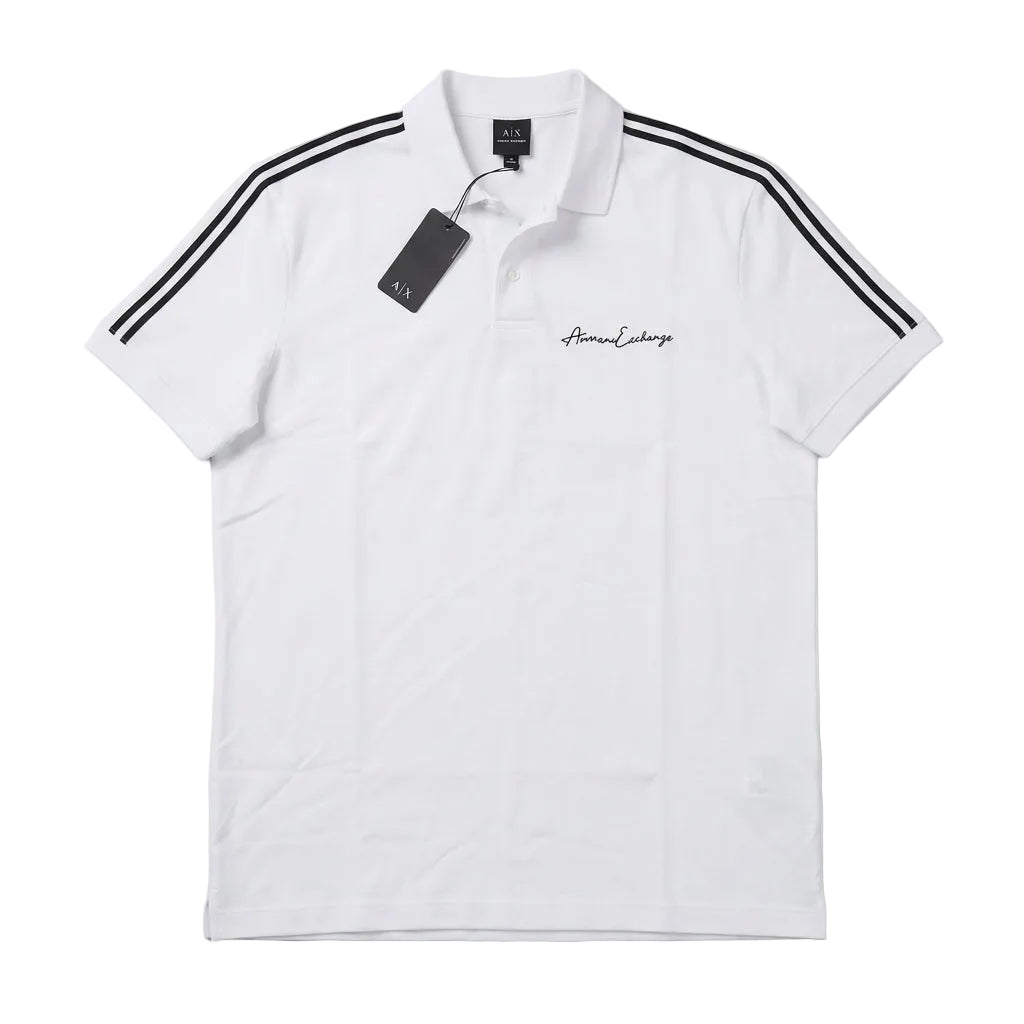
Our pick for shoppers who want new items with original tags is LFC DESIGNS ONE, which sells brand-new pieces such as the Armani Exchange Men's Polo Color White NEW WITH ORIGINAL TAGS at $69.99 and the Michael Kors T-shirt Men's Color Black Size L NEW WITH ORIGINAL TAGS at $44.99.
Online Versus In-Store: Choosing Your Buying Channel
Shopping in person lets you inspect fabric, stitching, and fit before paying. Online shopping gives you wider selection and easier price comparison, but it puts more weight on the seller's verification and return terms. To compare trusted places to buy branded apparel online, see trusted places to buy branded apparel online.
| Channel | Best For | Main Risk | How to Reduce It |
|---|---|---|---|
| In-store outlet | Trying sizing and feel | Limited stock | Check outlet inventory online first |
| Brand website | Guaranteed authenticity | Fewer discounts | Watch seasonal sale sections |
| Multi-brand online retailer | Wide selection | Varying seller quality | Read return policies before buying |
| Resale marketplace | Deepest discounts | Condition and authenticity | Use platform authentication and buyer protection where available |
How to Verify Designer Clothing Authenticity Step by Step
Most shoppers treat authentication as a single gut check. A more reliable approach is a documented sequence: gather evidence from the listing, inspect the physical item against known brand standards, then verify the seller's history and terms. A genuine item usually passes every stage; a counterfeit typically fails at least one. Build a folder or note on your phone for each purchase so you can compare evidence later if a dispute arises.
Stage 1: Evidence from the Listing
Before you message a seller, capture the listing itself. Save screenshots of the title, description, price, size, and every photo, because listings can be edited or deleted after a sale. Look for these specifics:
- Multiple angles of the actual item. A legitimate seller shows the front, back, interior, tags, care label, and any flaws. Stock-photo-only listings are a warning sign, especially on resale platforms.
- Close-ups of the brand label, size tag, and care label. The label is where counterfeiters most often slip: font weight, letter spacing, logo proportions, and the country-of-origin line are common tells.
- Style or model codes. Many brands print a style number, SKU, or product code on the hangtag or interior label. Ask the seller to photograph it clearly and compare it with the brand's own product page or an authorized retailer's listing for the same item.
A common pattern is a listing that shows one perfect studio photo and no interior shots. Treat that as incomplete evidence, not as proof of authenticity.
Stage 2: Physical Inspection and Construction Checks
When the item arrives, or when you inspect it in person, work through these checks in order. Photograph each one so you have a record.
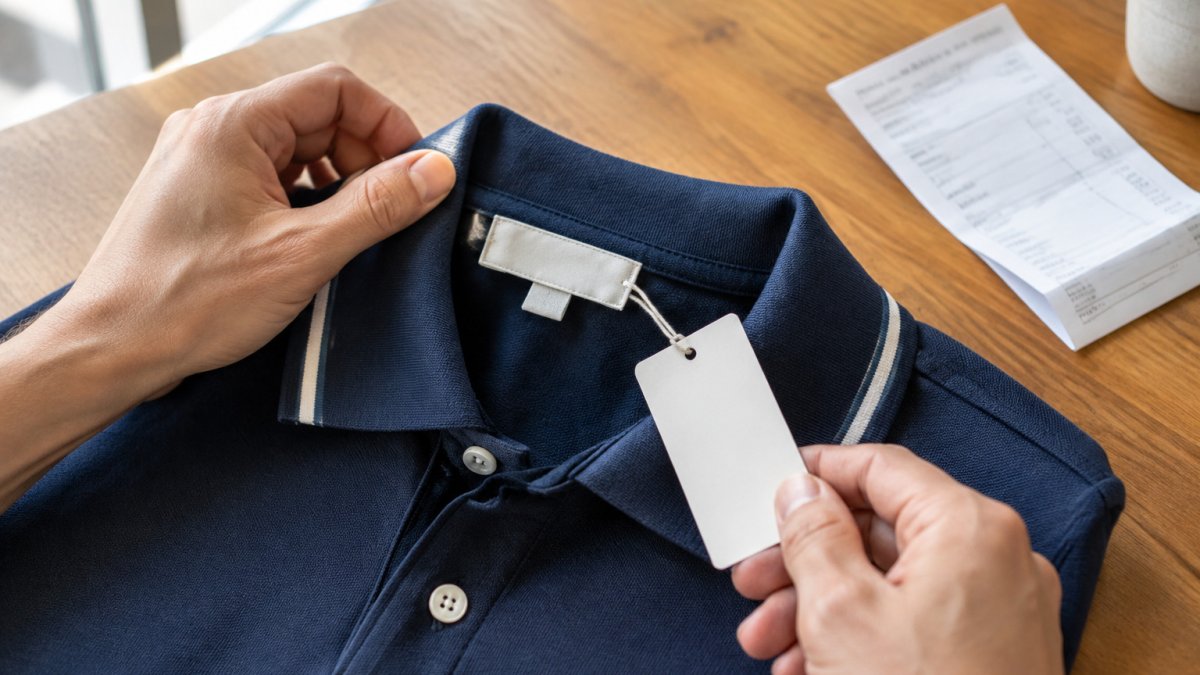
- Labels and tags. Compare font, spacing, logo placement, and stitching around the label against the brand's official product images. Check that the size tag, care label, and country-of-origin line are consistent with each other and with the style code.
- Stitching and seams. Designer garments typically have even, tight stitching with consistent stitch length and no loose threads. Look at the inside seams, the hem, and the armhole or waistband, where counterfeiters cut corners.
- Materials and hardware. Feel the fabric and hardware. Cheap substitutes often feel thinner, stiffer, or lighter than the originals. On bags, check zipper pulls, rivets, and clasps for weight and engraving quality.
- Pattern alignment and finish. On patterned pieces, check that the pattern matches across seams. On tailored items, check that the lining is attached cleanly and that buttons are securely sewn.
- Care label and composition. The fiber content and washing instructions should match what the brand publishes for that style. Mismatched spelling or unusual abbreviations on the care label are common counterfeit signals.
Stage 3: Seller and Provenance Verification
Authenticity is partly a property of the item and partly a property of the seller. Before paying, confirm:
- Account history. How long has the seller been active, and what do reviews say about authenticity and shipping? A new account with a deep discount on a high-demand item deserves extra scrutiny.
- Return policy in writing. Confirm the return window, who pays return shipping, and whether the seller accepts returns for authenticity concerns. Get this in the platform's messaging system, not in a side chat.
- Provenance. Ask where the item came from: a gift, a personal purchase, or store stock. A believable story is not proof, but an evasive answer is a warning sign.
The brand's own guidance on identifying genuine merchandise is a useful reference. official brand authenticity guidance also explains how consumers can report deceptive online sellers.
Counterfeit and Scam Warning Signs
Some warning signs appear again and again across fake listings. Prices far below typical retail for brand-new items deserve scrutiny. Sellers who refuse to show original tags, use only stock photos, or pressure you to pay outside the platform are equally risky.
Watch out: a seller who rushes you to pay through a payment method with no buyer protection leaves you with almost no recourse if the item turns out to be fake. For a page on authenticity checks and red flags to look for before paying, see authenticity checks and red flags.
Mismatched spelling on labels, unusual logo spacing, missing care tags, and inconsistent product details across photos are also common signs of a counterfeit. When in doubt, walk away. Another listing will almost always appear.
Finding Designer Clearance and Outlet Deals
Clearance sections and outlet events are where most authentic discounts appear. To understand why designer prices drop, see why designer prices drop and how to shop past-season styles.
Designer prices drop for several ordinary reasons: seasonal turnover, overstock, discontinued colors, and retailer promotions. A discount alone does not signal a fake.
If you are shopping for a specific item, such as a polo in a particular color, set a price target and compare sale prices across several sellers over a few weeks.
New Versus Pre-Owned: Total Cost and Value
Pre-owned designer clothing costs less upfront, but the total cost includes condition repairs, cleaning, and the lower likelihood of returns. New items with original tags usually carry a higher price but fewer surprises.
For everyday pieces that will see frequent washing, new items with tags can offer better value over time because you know their history and condition from day one.
Buyer Protection, Returns and a Personal Deal-Finding Workflow
A discount is only real if you can recover your money when something goes wrong. Before you pay, read the platform's buyer-protection terms the way you would read a contract, because the details determine whether a dispute is winnable.
What Buyer Protection Actually Covers
Many resale and marketplace platforms publish a buyer-protection policy; check each platform's terms for what it covers. The mechanics vary, but the questions to answer are consistent:
- How long is the dispute window? Many platforms require you to open a claim within a set number of days of delivery, sometimes as few as three to seven. Mark the delivery date and set a reminder.
- What evidence is required? Expect to submit photos of the item, the packaging, the labels, and the listing itself. This is why you save screenshots before checkout.
- Who decides? Some platforms use in-house authentication or claims teams; others rely on the payment processor. Know which one applies to your purchase.
For high-value items, some shoppers use third-party authentication services. Check each service's fees and terms, and compare them against the discount before you buy.
Reading Return Policies Before You Buy
Return terms differ sharply by channel. Return terms differ by channel, so read each seller's policy before you buy.
A practical rule: if the return policy is not visible on the product page, assume the worst case and price the item accordingly. Keep the original packaging and tags until you are certain you are keeping the item, because most return policies require them.
A Personal Deal-Finding Workflow
A repeatable routine beats browsing. The goal is to let the deals come to you instead of checking dozens of sites each day.
- Define the item precisely. Write down the brand, style, size, color, and condition you will accept. Vague goals produce impulse purchases.
- Set a target price. Use recent sold listings and current retail as anchors. A common approach is to set a ceiling at a percentage of retail that you are comfortable with, then walk away from anything above it.
- Use alerts and saved searches. Most resale platforms and several retailer sites let you save a search and receive notifications when a matching item is listed or drops in price. Set alerts on the specific style code, not just the brand name.
- Track price history. Some platforms show whether an item has been relisted or reduced. A price that keeps dropping can signal a motivated seller, but it can also signal a problem item.
- Run the verification sequence before paying. Use the evidence, inspection, and seller checks from the authentication section. Confirm the return policy and payment method at the same time. If you want verification beyond DIY checks, compare affordable designer authentication alternatives.
- Record the purchase. Save the listing, the seller's messages, the payment receipt, and photos of the item when it arrives. If a dispute arises, this record is your case.
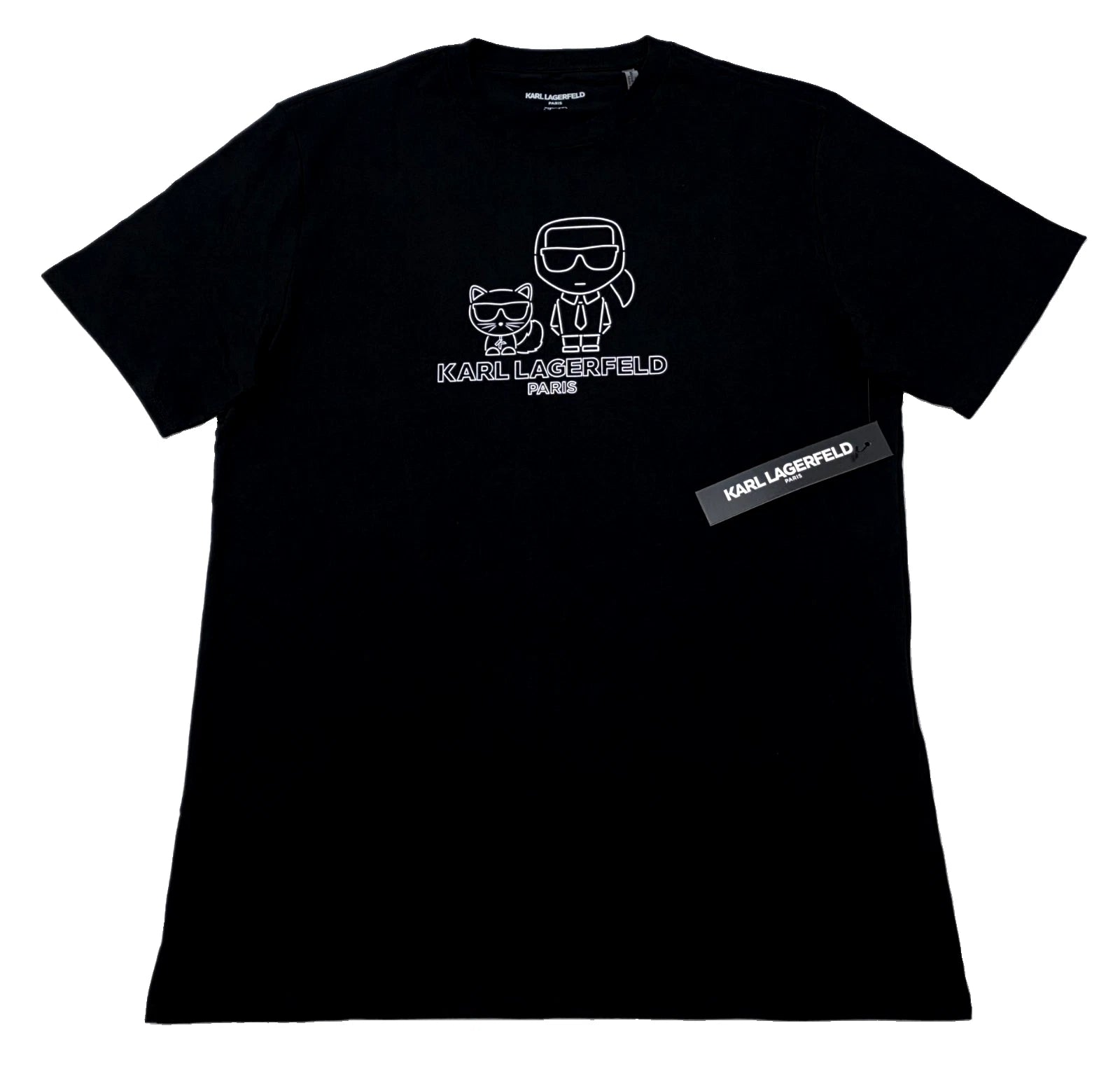
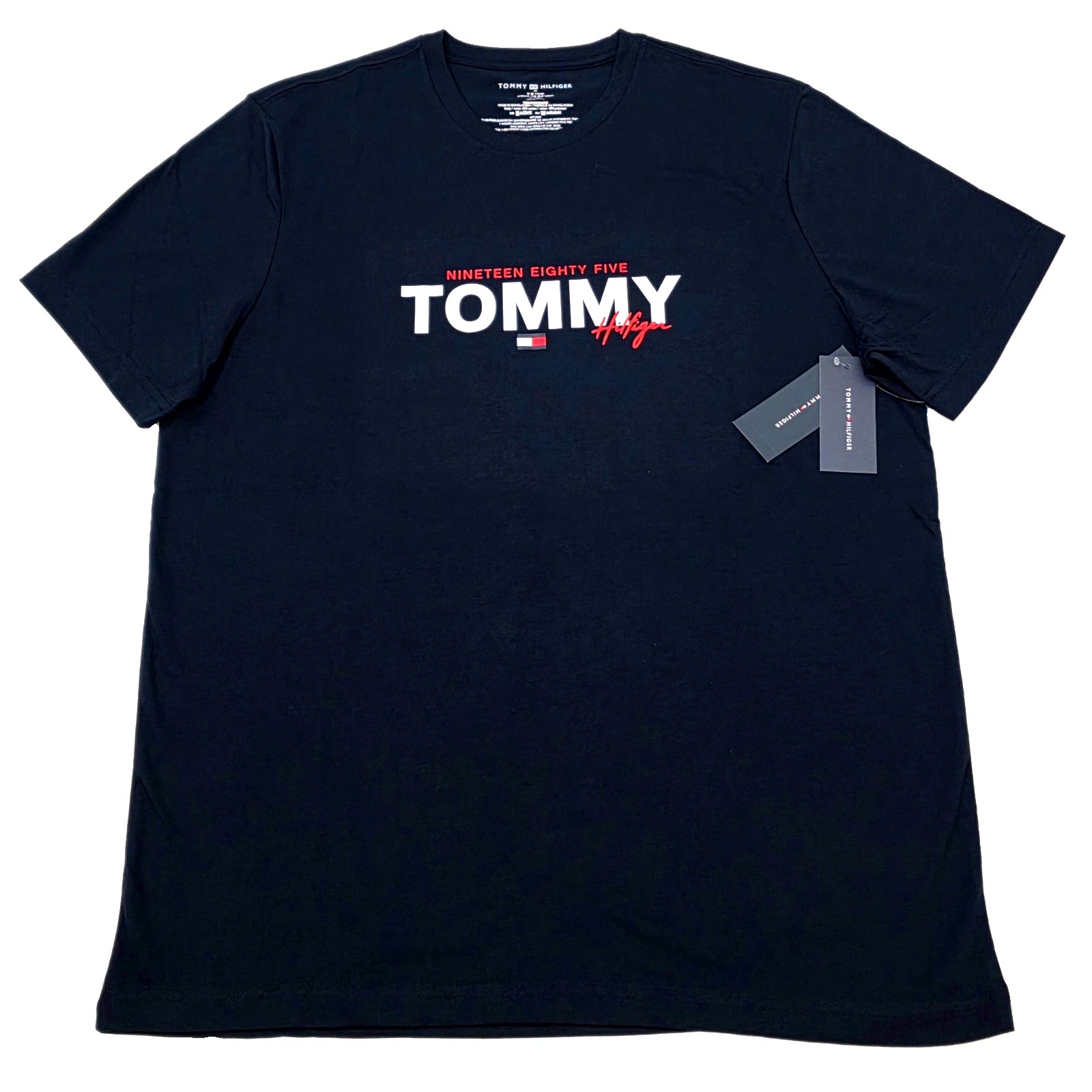
Building this routine before you shop can make verification a habit rather than an afterthought. If you want new designer pieces with original tags, you can browse the current selection at LFC DESIGNS ONE's product range, including the Karl Lagerfeld Men's T-shirt in black at $46.99 and the Tommy Hilfiger T-shirt in blue at $39.99.
Frequently Asked Questions
Where is it cheapest to buy luxury brands?
Off-price outlets, clearance sections of established retailers and well-run resale marketplaces usually offer the lowest prices on authentic designer goods. New items with original tags are typically discounted by a smaller margin than pre-owned pieces, but they carry no wear. Compare the final price after shipping and any fees, and check the seller's terms for any authenticity guarantee before you buy.
How can I tell if designer clothes are authentic?
Start by checking the tags, labels, stitching, hardware and packaging against the brand's current production details. Look for even stitching, consistent logo placement and correct font spelling on labels. Ask the seller for close-up photos of the tags and care labels, and compare them to official brand images. When a listing is vague or the price looks too low to be true, treat it as a warning sign and walk away.
Is it safe to buy designer clothes from resale sites?
It can be safe when you buy from marketplaces that offer buyer protection, authentication review and a clear return window. Read the platform's policy before paying, pay through the site rather than by direct transfer, and avoid sellers who push you to communicate off-platform. Keep all messages and photos in case you need to open a dispute.
