
How to Spot Fake Designer Caps: 2026 Authentication Guide
Table of Contents
- Common Signs of Counterfeit Designer Headwear
- How to Verify Luxury Brand Authenticity Step by Step
- How to Spot Fake Designer Caps Online Using Photos
- Brand-by-Brand Authentication Differences
- Best Practices for Buying Authentic Designer Apparel
- When a Cap Looks Fake: What to Do After Buying
- Frequently Asked Questions
Last Updated: October 9, 2026
Common Signs of Counterfeit Designer Headwear
Counterfeit designer headwear is a growing problem in online resale, and the warning signs hide in details most shoppers never check. At LFC DESIGNS ONE, we handle authentic caps daily.
Most counterfeits are lazy: a replica maker copies the front logo and ignores everything else. Your best defense is examining the parts a counterfeiter skips, interior taping, sewn-in labels, and the underside of the brim.
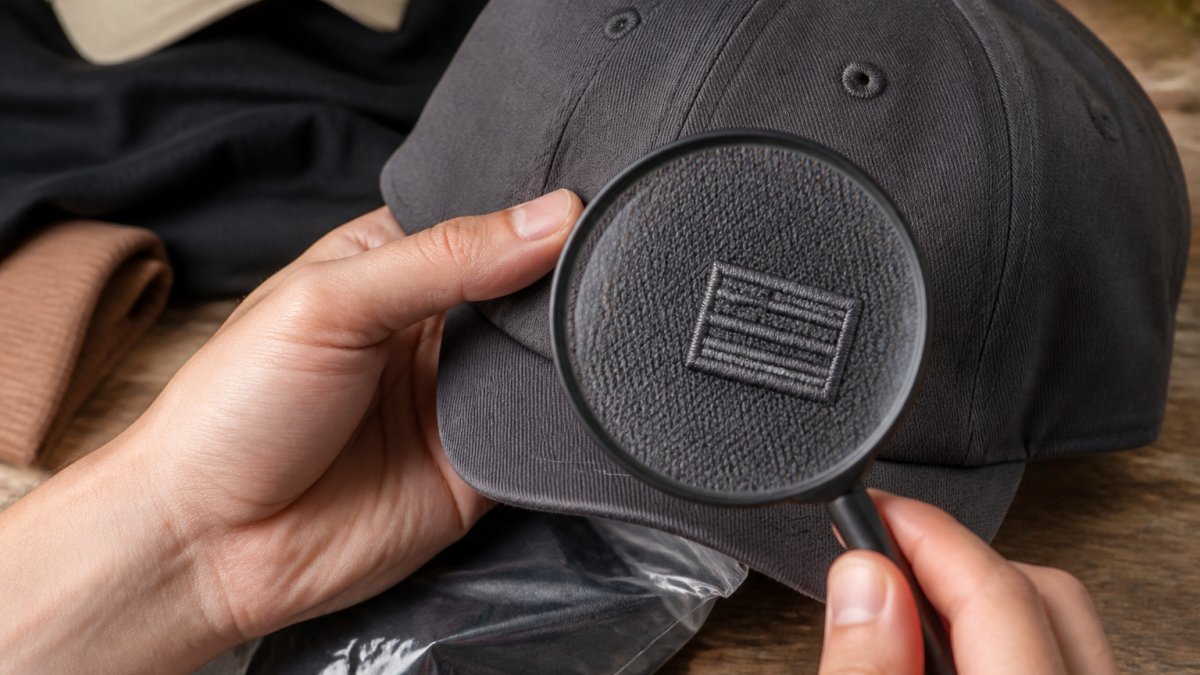
Logo and Embroidery Red Flags
Embroidery quality is the fastest tell. Authentic caps use dense, even stitching with clean edges and no loose threads. Counterfeit embroidery looks flat, puckered, or misaligned, with thread sitting on top of the fabric rather than integrating with it.
Check these specific details:
- Letter spacing and centering on the front logo
- Thread color matching the brand's official shade exactly
- Backing material behind the embroidery, which should be clean, not stiff or glue-like
- Blurry lettering or smudged graphics on any printed elements
A common mistake is judging embroidery from a photo alone, texture and thread depth are things you feel as much as see.
Stitching, Seams, and Brim Construction
Seam quality separates real caps from replicas more reliably than logos do. Authentic caps have consistent stitch counts per inch, straight seam lines, and no skipped stitches. Fakes show wavy seams, uneven tension, and visible thread ends inside the crown.
The brim deserves its own inspection. Genuine brims hold a clean curve, have a smooth lip, and use stiffening that feels firm but not brittle. Counterfeit brims are flimsy, with a rough or glued edge where fabric meets stiffener.
Labels, Tags, and Interior Taping
Interior construction is where counterfeiters cut the most corners. Authentic sewn-in labels use clean typography, consistent fonts, and proper care symbols. Fake labels often have ripped edges, misspellings, or slightly off fonts.
Hangtags and interior taping matter too. Genuine caps usually include a hangtag with a product code, and interior taping over the seams should be smooth and neatly finished. Wrinkled taping or a glued rather than stitched label is a warning sign.
How to Verify Luxury Brand Authenticity Step by Step
Verifying luxury brand authenticity means matching the physical cap against official references, not your memory of the brand. Follow these steps in order.
- Locate the product code or serial number. Check inside the crown, behind the label, or on the hangtag.
- Photograph the code, the front logo, and the interior label in good lighting.
- Search the brand's official site for the same model and compare details side by side.
- Check the packaging against official references, including box, tissue, and tag style.
- Cross-check the seller and ask for additional photos before buying.
Check the Product Code and Serial Number
A product code is a manufacturer-assigned identifier printed or stitched on the label, hangtag, or interior tag that links an item to a brand's official catalog. Authentic caps carry a code matching the model, colorway, and season. Counterfeits often reuse one code across every item, or print a code that matches no real product.
Compare Against Official References
Official references are the brand's own published images, product pages, and catalogs. Compare logo placement, embroidery style, label fonts, and silhouette against these, not marketplace listings, those photos are frequently stolen from legitimate sellers and pasted onto fakes.
How to Spot Fake Designer Caps Online Using Photos
When you can't hold the cap, photos are your only evidence, so force the listing to reveal what a counterfeiter would rather hide. Instead of just asking for more pictures, request a fixed shot list and inspect each image against a specific failure mode. Sellers of authentic caps usually comply within a day; sellers of fakes stall, crop, or resend the same three angles.
The shot list to request (in this order):
- Front logo, straight-on, at arm's length, checks centering and letter spacing against the crown's vertical seam.
- Front logo, macro (within a few inches), reveals thread density, puckering, and whether the embroidery sits on top of the twill or integrates with it.
- Interior crown, looking down, shows the sewn-in label, the taping over the seams, and any size or origin tag.
- Label and care tag, macro, the fastest place to catch wrong fonts, missing care symbols, or a glued rather than stitched label.
- Underside of the brim, exposes the brim lip finish and whether the stiffener edge is clean or glued.
- Back closure and strap, snap, buckle, or strap hardware should match the brand's known hardware for that model.
- A photo with a ruler, coin, or hand next to the cap, establishes scale so you can judge crown height and brim width rather than guessing.
- The original packaging and hangtag, if claimed, a hangtag with a product code is only useful if the code is legible in the shot.
How to read what comes back:
- Ask for a live photo, not a file. Request a handwritten note with today's date and the seller's username in the frame. Stolen photos can't be reproduced on demand, and this filters out most image-thieves.
- Compare lighting and background across shots. If the front logo is on a wood table and the interior on a white bedsheet, the images likely came from different sources.
- Zoom, don't squint. On a genuine macro shot, individual stitches are countable and the thread has visible twist. On a fake, zoom shows blur, thread bleed, or a printed patch posing as embroidery.
- Reverse-image search the photos. If the same photo appears on multiple unrelated listings, treat the whole listing as suspect.
- Check the code in the photo, not the description. A code typed into the listing text proves nothing; it must be visible on the physical label or hangtag in the image.
- Watch for selective framing. A seller who photographs every angle except the interior label answers your question with their omissions.
Listing-language red flags that pair with weak photos:
- "100% authentic" with no product code, no interior shots, and no return policy.
- Stock or catalog images used as the only photos.
- A price far below what the model typically resells for, with a vague explanation like "moving sale."
- Pressure language ("many buyers interested," "final price") that discourages you from asking questions.
If a seller won't provide the shot list, that is your answer. Walk away, there is always another listing.
Armani Exchange Caps Hats Color Yellow (ORIGINAL WITH TAGS) →
Brand-by-Brand Authentication Differences
A single checklist can't authenticate every designer cap, because the markers that matter shift by brand, model, and release year.
Holograms and serial-number brands. Some luxury houses lean on a holographic sticker, a serialized interior tag, or a coded authenticity card.
Label-and-font brands. Other houses authenticate through the interior label: a specific typeface, letter-spacing, care-symbol set, and a country-of-origin line in a fixed position.
Embroidery-and-construction brands. Streetwear and sportswear labels rely on embroidery technique and construction rather than hidden markers.
Why model and release date matter. Designers revise labels, materials, and construction between releases.
A workable method for any brand:
- Identify the exact model, colorway, and season before you compare anything.
- Pull the brand's official product page or an authorized retailer's page for that model.
- Pick the two or three markers that brand is known for (hologram, label font, embroidery, hardware).
- Verify those markers first, then use stitching, taping, and materials as supporting checks.
- If a marker conflicts with the official reference, stop, don't rationalize it.
Where visual checks stop. Counterfeiters can replicate anything visible in a photo, including labels, holograms, and packaging. When the stakes are high, a rare model, a large sum, or a seller you can't verify, documentation (original receipt, proof of purchase, authorized-retailer invoice) or a professional authentication service is worth more than any photo comparison. Visual checks narrow the field; they don't close it.
Best Practices for Buying Authentic Designer Apparel
Safe buying starts with seller verification. Buy from retailers that show original tags, provide clear return policies, and answer detailed questions about product codes and sourcing. If a price looks dramatically below retail, ask why, and be skeptical of any seller who can't explain it.
At LFC DESIGNS ONE, every cap we sell arrives brand new with its original tags, and we stock authentic Armani Exchange caps in yellow, red, and blue. Our customers regularly tell us the tags and quality match what they expected.

| Check | What to Look For | Red Flag |
|---|---|---|
| Logo and embroidery | Dense, even stitching, correct thread color | Misaligned embroidery, blurry lettering |
| Stitching and seams | Consistent stitch count, straight lines | Wavy seams, skipped stitches |
| Labels and tags | Clean fonts, proper care symbols | Ripped labels, glued-on tags |
| Interior taping | Smooth, continuous finish | Wrinkled or missing taping |
| Product code | Matches official catalog | Reused or unverifiable code |
When a Cap Looks Fake: What to Do After Buying
If a cap arrives and the details don't match, act quickly. Document everything: photograph the label, stitching, product code, and packaging. Then contact the seller with your findings and request a return or refund in writing.
If the seller won't cooperate, dispute the charge through your payment provider and report the listing to the platform where you bought it. For items sold with false authenticity claims, you can also file a report with the Federal Trade Commission, which handles deceptive advertising and counterfeit goods complaints.
Frequently Asked Questions
What are the most common signs of a fake designer cap?
The most common signs include misaligned embroidery, blurry lettering, smudged graphics, and stitching that runs unevenly across seams. Check the interior sewn-in label for ripped edges or missing product codes, and look at the brim lip for rough finishing. A counterfeit often uses inferior fabric that feels stiff or thin compared to the authentic version. If the logo placement looks off-center or the crown silhouette is misshapen, treat it as a warning sign and verify further before buying.
Do authentic designer caps always come with a certificate of authenticity?
No. Many luxury brands do not include a paper certificate with caps. Instead, authenticity is confirmed through the sewn-in label, hologram, serial number, product code, and original hangtag. Some brands use interior taping with branded text or a specific tag format. If a seller claims a certificate is the only proof, that alone is not reliable. Compare the cap's construction and official references from the brand to confirm it is legit.
How can I tell if the embroidery on a cap is high quality?
High-quality embroidery has clean, dense stitches with no loose threads or gaps. The logo edges should be sharp, and the lettering should be crisp, not blurry. Check that the thread color matches the brand's official shade and that the logo is centered correctly on the crown. Misaligned embroidery or uneven spacing between letters is a common sign of counterfeit designer headwear. Run your finger over the stitching; authentic embroidery feels tight and consistent, not raised or bumpy.
Are there specific details on the inner tags that indicate a fake?
Yes. Examine the sewn-in label for spelling errors, odd fonts, or missing size and care information. Authentic tags often include a product code or serial number that matches the brand's records. Ripped labels, uneven stitching around the tag, or tags that peel off easily are red flags. Also check for interior taping with the brand name printed clearly. If the tag feels flimsy or the text is smudged, the cap is likely a replica.
Counterfeit caps are getting better, but the tells are still there if you know where to look. At LFC DESIGNS ONE, we take the guesswork out of buying authentic designer apparel: every item is brand new with original tags, backed by free shipping to all USA addresses and a curated selection of authentic designer picks. Browse our Armani Exchange caps and shop with confidence.